ตู้นึ่งอาหาร
Steamer
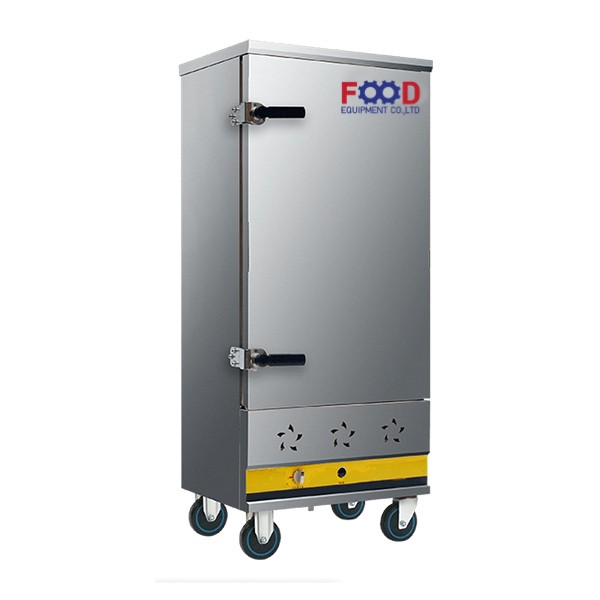
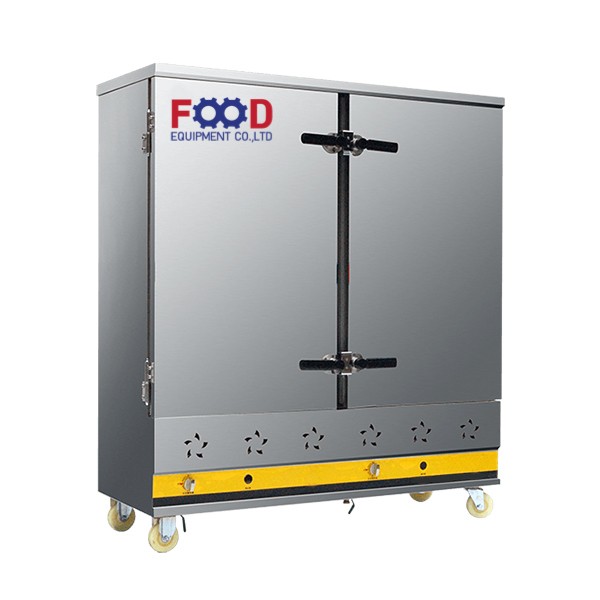
ตู้นึ่ง สามารถนึ่งอาหารได้หลากหลาย ไม่ว่าจะเป็น นึ่งข้าว นึ่งอาหาร นึ่งปลา นึ่งติ่มซำ ฯลฯ
ตู้นึ่งมี 2 รุ่น คือรุ่นใช้ระบบแก๊ส และรุ่นใช้ระบบไฟฟ้า
ข้อดีของการใช้ตู้นึ่งอาหาร
ตู้นึ่งอาหารอุตสาหกรรม (Steamer) กลายเป็นหัวใจสำคัญของครัวสมัยใหม่และโรงงานผลิตอาหาร ไม่ใช่แค่เพราะมันทำให้ของสุก แต่เพราะมันคือการยกระดับ “มาตรฐาน” และ “กำไร” ของธุรกิจครับ
เหตุผลหลักที่ทำให้ตู้ประเภทนี้ได้รับความนิยมสูง มีดังนี้
1. รักษาคุณภาพและสารอาหารได้ดีเยี่ยม
การนึ่งเป็นการปรุงอาหารด้วยความร้อนจากไอน้ำ ซึ่งมีข้อดีเหนือกว่าการต้มหรือทอดในแง่ของโภชนาการ:
-
คงคุณค่าทางอาหาร: วิตามินและแร่ธาตุไม่ละลายไปกับน้ำเหมือนการต้ม
-
รสชาติและสีสัน: อาหารจะมีความชุ่มฉื้น (Moist) ไม่แห้งกระด้าง และคงสีสันที่น่ารับประทาน
-
ลดการใช้ดน้ำมัน: ตอบโจทย์เทรนด์คนรักสุขภาพได้เป็นอย่างดี
2. ความเร็วและประสิทธิภาพในการผลิต (Efficiency)
ตู้แช่อุตสาหกรรมถูกออกแบบมาเพื่อรองรับปริมาณงานมหาศาล:
-
นึ่งได้ทีละมากๆ: ด้วยระบบถาดเรียงซ้อนกัน ทำให้สามารถนึ่งข้าว ขนมจีบ หรือปลา ได้คราวละหลายสิบกิโลกรัม
-
กระจายความร้อนทั่วถึง: ระบบหมุนเวียนไอน้ำทำให้ความร้อนเสมอกันทุกชั้น ไม่ต้องคอยสลับถาดไปมาเหมือนซึ้งนึ่งแบบดั้งเดิม
3. การควบคุมมาตรฐาน (Consistency)
ในธุรกิจอาหาร “รสชาติที่คงที่” คือหัวใจสำคัญ:
-
ลดความผิดพลาดของมนุษย์ (Human Error): ใครทำก็ได้มาตรฐานเดิม เพราะระบบจัดการให้เกือบทั้งหมด
4. ความทนทานและถูกสุขลักษณะ
-
วัสดุ Food Grade: ส่วนใหญ่ทำจากสเตนเลส ซึ่งทนต่อการกัดกร่อน สนิม และทำความสะอาดง่าย
-
มาตรฐานความปลอดภัย: วาล์วระบายแรงดันที่ปลอดภัยกว่าการใช้เตาแก๊สแบบเปิด
5. ความคุ้มค่าในระยะยาว
แม้เงินลงทุนก้อนแรกจะสูงกว่าซึ้งนึ่งทั่วไป แต่เมื่อมองในมุมธุรกิจ:
-
ประหยัดแรงงาน: ใช้คนควบคุมน้อยลง แต่ได้ผลผลิตมากขึ้น
-
ประหยัดพลังงาน: ระบบปิดช่วยกักเก็บความร้อนได้ดีกว่า ทำให้สูญเสียพลังงานน้อยกว่าการเปิดฝาหม้อนึ่งบ่อยๆ
Advantages of Using Industrial Steamers
Industrial steamers have become the heart of modern kitchens and food production facilities. Their popularity isn’t just because they cook food, but because they elevate both business “standards” and “profitability.”
Here are the key reasons why they are highly popular:
1. Exceptional Quality and Nutrient Retention
Steaming uses heat from water vapor, providing superior nutritional benefits compared to boiling or frying:
-
Preserves Nutritional Value: Vitamins and minerals do not leach into the water as they do with boiling.
-
Enhanced Flavor and Color: Food remains moist and succulent—never dry—while retaining its natural, appetizing colors.
-
Reduced Oil Usage: Perfectly aligns with modern health-conscious trends.
2. Speed and Production Efficiency
Industrial units are engineered to handle high-volume demands:
-
High Capacity: The multi-tier tray system allows for steaming dozens of kilograms of rice, dim sum, or fish simultaneously.
-
Uniform Heat Distribution: The steam circulation system ensures consistent temperature across all levels, eliminating the need to manually rotate trays like traditional steamers.
3. Consistency and Quality Control
In the food industry, “consistency” is the key to success:
-
Precision Control: Advanced systems for timing and temperature management.
-
Minimized Human Error: Automated systems ensure that the same standard is achieved regardless of who is operating the machine.
4. Durability and Hygiene
-
Food-Grade Materials: Most units are constructed from high-quality stainless steel, which is corrosion-resistant, rust-proof, and easy to sanitize.
-
Safety Standards: Equipped with pressure relief valves and safety features that are much safer than traditional open-flame gas stoves.
5. Long-term Cost-Effectiveness
While the initial investment may be higher than traditional pots, the business returns are significant:
-
Labor Savings: Requires fewer operators while delivering higher output.
-
Energy Efficiency: The enclosed system retains heat effectively, resulting in lower energy loss compared to frequently opening traditional steamer lids.